For decades, fashion has been about trends, glamour, and fast turnover. But behind the glossy runway shows and fast-fashion chains lies a darker truth: exploitative labor, textile waste, and environmental damage. Today’s shoppers are increasingly aware that what they wear doesn’t just reflect their style—it reflects their values.
This is where ethical fashion brands step in. These companies aren’t just making clothes; they’re rethinking the entire system, from sourcing materials responsibly to paying workers fairly. They prove that you don’t have to compromise style for sustainability.
Fashion With a Conscience
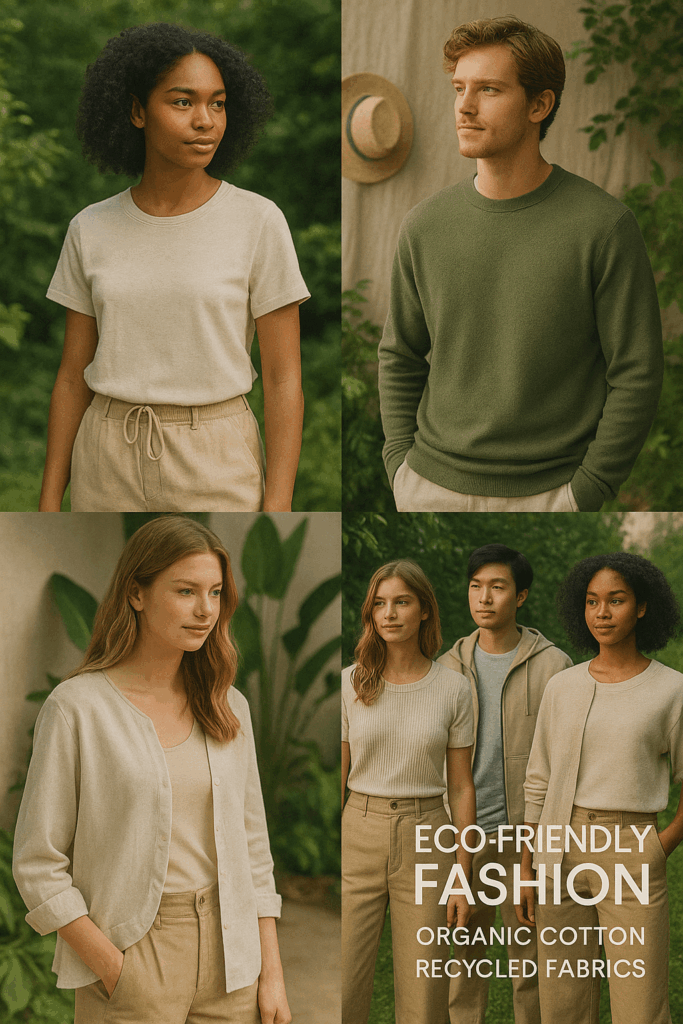
If you’ve ever wondered where to start your journey toward conscious shopping, here are five game-changing ethical fashion brands that are reshaping the industry and inspiring consumers to shop smarter.
Brand 1: Patagonia – Pioneers of Sustainable Outdoor Wear
Why They Stand Out
Patagonia has become synonymous with ethical fashion. From repairing old jackets to donating a percentage of profits to environmental causes, they have consistently put the planet before profit.
Example in Action
In 2011, Patagonia ran a bold campaign titled “Don’t Buy This Jacket” to encourage consumers to rethink overconsumption. Instead of pushing sales, the ad asked customers to repair and reuse their clothing—a revolutionary move for a major brand.
Key Practices
- Transparent supply chains with fair labor commitments.
- Heavy investment in recycled and organic materials.
- “Worn Wear” program promoting repair and resale.
Patagonia demonstrates that a global brand can thrive while staying true to its values.
Brand 2: Everlane – Radical Transparency in Style
Why They Stand Out
Everlane has built its identity around radical transparency. They break down the real cost of every product, from materials to labor to transport, showing consumers exactly where their money goes.
Example in Action
Everlane’s “Choose What You Pay” initiative allowed customers to select from different price points, making transparent not just the production cost but also profit margins.
Key Practices
- Detailed transparency reports on each product.
- Ethical factories with audited labor conditions.
- Minimalist, timeless designs built to last.
For conscious shoppers who value both style and honesty, Everlane sets a new standard.
Brand 3: Reformation – Chic Meets Sustainability
Why They Stand Out
Reformation has proven that sustainable fashion can be sexy and trend-driven. Their designs regularly grace Instagram feeds and celebrity wardrobes while maintaining eco-friendly production.
Example in Action
Each Reformation product page includes an “impact report,” showing exactly how much water and carbon emissions were saved compared to conventional production.
Key Practices
- Use of deadstock fabrics and sustainable materials.
- Eco-friendly factories with renewable energy.
- Commitment to inclusivity with extended sizing.
Reformation proves that ethical fashion doesn’t have to look “basic”—it can be bold, chic, and red-carpet ready.
Brand 4: People Tree – Fair Trade Fashion Trailblazers
Why They Stand Out
As one of the earliest pioneers of Fair Trade fashion, People Tree has been empowering artisans and farmers for decades. Their mission goes beyond clothing—it’s about social justice.
Example in Action
Partnering with Fair Trade cooperatives, People Tree creates handwoven and organic cotton garments that provide sustainable income for communities in the Global South.
Key Practices
- Fair wages and long-term partnerships with artisans.
- Organic and sustainable cotton farming.
- Traditional craftsmanship preserved in modern designs.
People Tree is proof that fashion can be both stylish and socially transformative.
Brand 5: Stella McCartney – Luxury With a Sustainable Edge
Why They Stand Out
As a high-fashion designer, Stella McCartney has consistently rejected leather, fur, and PVC—long before sustainability became mainstream in luxury fashion. Her brand represents the possibility of ethical choices in the luxury space.
Example in Action
From biodegradable sneakers to mushroom-based leather alternatives, Stella McCartney pushes innovation while maintaining her luxury status.
Key Practices
- Commitment to cruelty-free luxury.
- Investment in cutting-edge sustainable materials.
- Public advocacy for global environmental initiatives.
Her success shows that sustainability is not just for casual wear—it belongs on the runway too.
Storytelling Insight: Emma’s Conscious Closet Journey
Emma, a young professional in London, once lived on fast fashion. Cheap, trendy outfits filled her closet, but they wore out quickly, and she often felt guilty about the waste. When she discovered brands like Everlane and Reformation, she shifted her approach. She began investing in fewer, higher-quality pieces that aligned with her values.
Over time, Emma noticed not only did her wardrobe feel more timeless, but she also felt more confident in her purchasing choices—knowing her clothes supported fair wages and reduced waste.
Her story mirrors a growing movement: consumers making intentional shifts toward sustainable, ethical fashion.
Conclusion: Dressing With Purpose
Ethical fashion isn’t just a trend—it’s a transformation. Brands like Patagonia, Everlane, Reformation, People Tree, and Stella McCartney are rewriting the rules of fashion by proving style, sustainability, and social responsibility can coexist.
Call to Action
Next time you shop, ask yourself: Does this purchase align with my values? Start small—maybe one ethically sourced item at a time. By supporting these game-changing brands, you’re not just buying clothes—you’re investing in a better future for fashion and for the planet.