Let’s be real: fashion has always been about self-expression, identity, and creativity. But in 2025, it’s also about something deeper — values. As more consumers become aware of what’s behind the clothes they wear, the demand for ethical fashion is booming.
But this shift isn’t just for eco-warriors or niche brands anymore. It’s changing the entire fashion industry, from the high-end runway to your favorite streetwear label. Whether you’re a trendsetter or just trying to shop smarter, understanding the movement toward ethical fashion isn’t optional — it’s essential.
Fashion Is Evolving — And So Should We
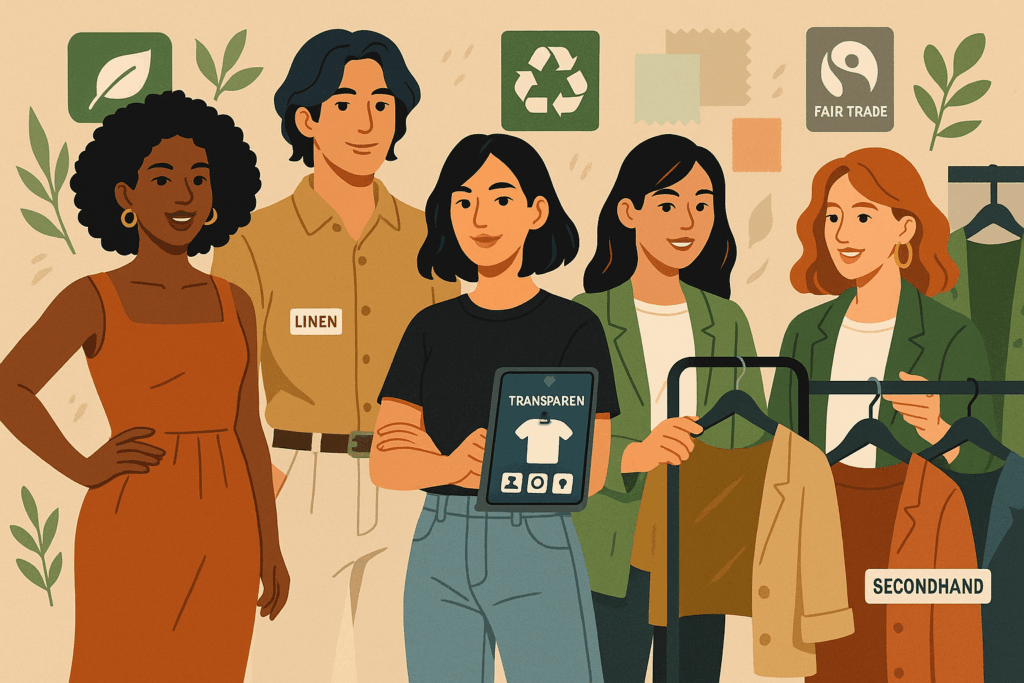
So, why exactly is ethical fashion the future of style? Let’s dive in.
1. Consumers Are Demanding Transparency
What’s Happening?
Today’s shoppers don’t just want a stylish outfit — they want to know where it came from, who made it, and under what conditions. Transparency has become a key buying factor, especially among Gen Z and millennial audiences.
Why It Matters
Fashion brands can no longer hide behind vague labels like “eco-friendly” or “natural.” People want receipts — quite literally. They’re reading tags, checking sourcing details, and researching supply chains before they hit “Add to Cart.”
Real-World Example
Brands like Everlane and Patagonia have built their reputation on radical transparency. From cost breakdowns to factory conditions, they let customers in on every step of the process — and their fanbase is only growing.
Your Takeaway
Support brands that offer detailed sourcing information and ethical labor practices. If they’re vague or defensive, that’s a red flag.
2. Fast Fashion’s Impact Can’t Be Ignored Anymore
The Harsh Reality
The fashion industry is one of the largest polluters on the planet. Fast fashion — with its cheap materials, rapid production, and trend-chasing mentality — plays a massive role in that problem.
- 92 million tons of textile waste are generated globally each year
- A single cotton shirt can take 2,700 liters of water to produce
- Many garments are made in sweatshop-like conditions with low wages
Story That Stuck
The 2013 Rana Plaza factory collapse in Bangladesh killed over 1,100 garment workers. It was a wake-up call — and it fueled the ethical fashion movement we see today.
Your Move
Start by slowing down your consumption. Ask yourself: Do I really need this? Will I wear it at least 30 times? Choose quality over quantity.
3. Ethical Fashion Is Surprisingly Stylish
Breaking the Myth
Let’s kill the stereotype: ethical fashion is not all hemp pants and beige linen. In fact, many of today’s most exciting, creative brands are also the most responsible.
Examples to Watch
- Reformation makes sleek, Instagram-worthy dresses with sustainable fabrics
- Pangaia fuses streetwear and science to create low-impact essentials
- Mara Hoffman blends bold prints with eco-conscious production
The Point
Sustainability and style are no longer opposites — they’re partners. Ethical fashion gives you the chance to express yourself and your values.
Style Tip
Explore secondhand platforms like Depop or ThredUp for unique, ethical looks without the hefty price tag.
4. It Supports People — Not Just Profits
Behind the Seams
Ethical fashion isn’t just about materials — it’s about people. From farmers to factory workers, ethical brands commit to fair wages, safe conditions, and long-term relationships.
Why That Matters
Fast fashion thrives on exploitation — long hours, unsafe environments, and underpaid labor, especially in the Global South. Ethical fashion flips that script.
Brand Spotlight
People Tree partners with artisans and certified Fair Trade factories, proving that you can create beautiful clothes without cutting corners on humanity.
Conscious Choice
Look for certifications like Fair Trade, SA8000, or GOTS to ensure the brand treats its workers fairly.
5. It’s an Investment in the Future — Yours and the Planet’s
Why It Lasts
Ethical fashion tends to favor timeless designs, durable fabrics, and quality craftsmanship. That means fewer throwaways, better wardrobe staples, and smarter spending in the long run.
Eco-Fact
Extending the life of clothes by just nine extra months can reduce carbon, water, and waste footprints by 20–30%.
Think About This
Would you rather buy 5 trendy pieces that fall apart in a year — or 2 ethically made items that last 5 years and still turn heads?
Smart Tip
Build a capsule wardrobe: fewer pieces, more versatility, less waste.
Conclusion: Style That Feels as Good as It Looks
Ethical fashion isn’t just a movement — it’s a mindset. It’s about making conscious choices that reflect who you are, what you stand for, and the kind of world you want to live in.
Yes, the shift may feel gradual. And yes, ethical fashion often costs more upfront. But remember: you’re not just buying clothes — you’re casting a vote for the future of fashion.
Call to Action
Ready to make your wardrobe more ethical?
Start small. Choose one piece, one brand, or one swap. Explore local thrift shops. Research your favorite labels. Share your journey with friends.
Because every outfit has a story. Make sure yours is one worth telling.